Hospital staff arrested in major drug crackdown in Thailand
Three hospital staff members were arrested in a major drug crackdown in Thailand.
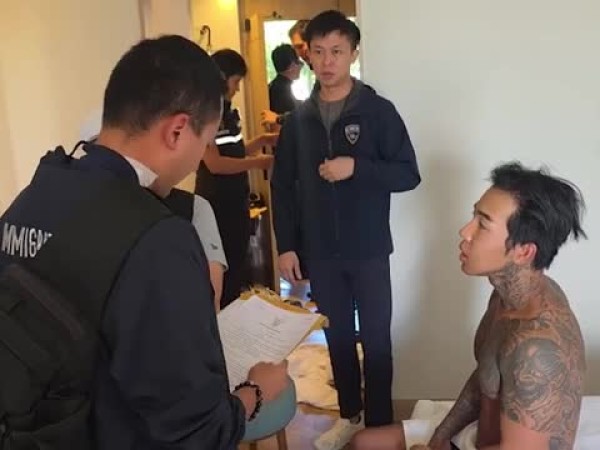
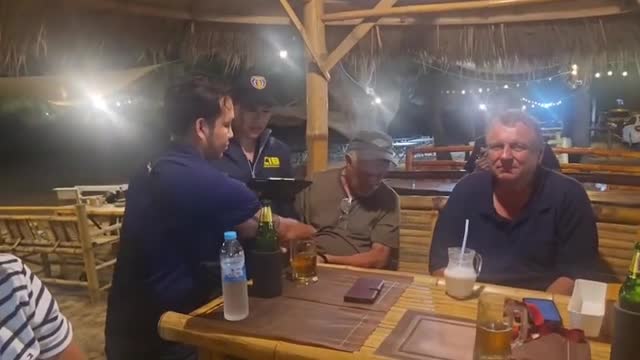
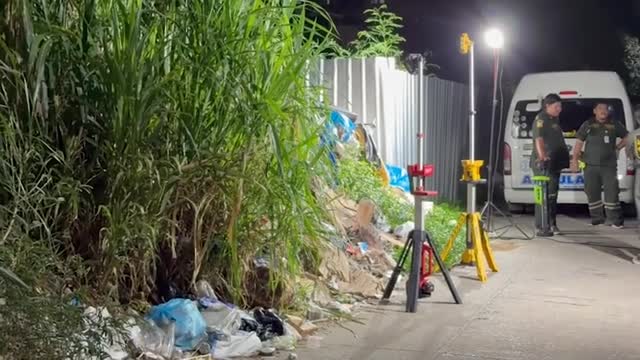
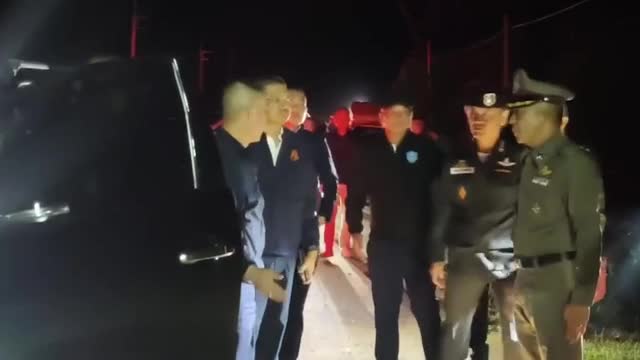
The suspects were detained during a 'war on drugs' operation led by the Office of the Narcotics Control Board (ONCB) in Sukhothai.
The investigation followed a tip-off to the ONCB hotline on Monday about drug-related activities involving a hospital orderly.
The employee was arrested in a raid on November 2, and allegedly confessed to using narcotics.
He agreed to enter rehabilitation and provided intel during questioning revealing a wider trafficking network involving other workers at the same hospital.
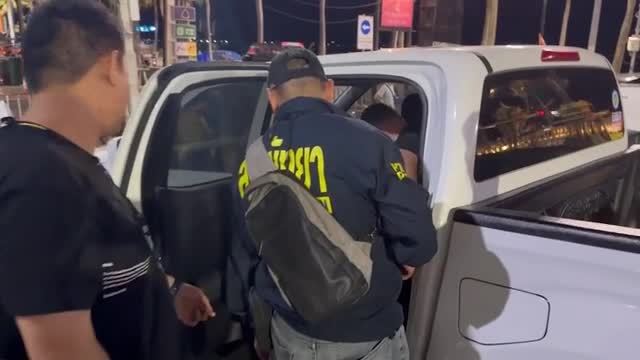
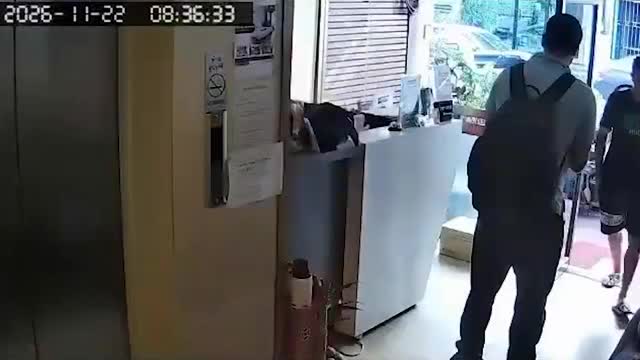
Investigators subsequently arrested a hospital driver and seized 230 methamphetamine pills. A search of his home found another 22 pills, bringing the total seized from him to 252.
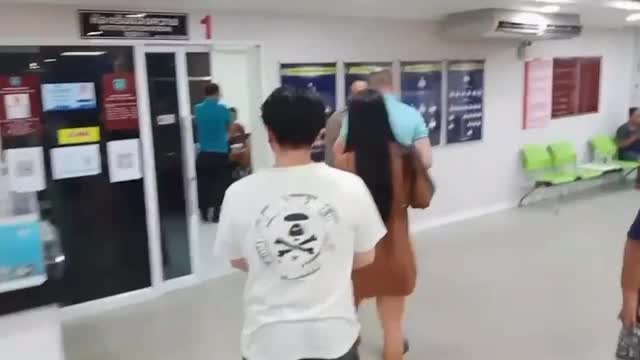
A female nursing assistant also tested positive for illegal drugs during staff screening. She was instructed to complete a three-month rehabilitation programme.
The hospital director said the nursing assistant may face disciplinary action, including dismissal.
Four other suspects, who were not hospital staff, were arrested over alleged drug use and possession, including a suspected drug dealer, his associate, and two acquaintances of the female nursing assistant.
Police Major Suriya Singkamol, secretary-general of the Office of the Narcotics Control Board, said: ‘The operation aligns with measures targeting government officials involved in narcotics and reflects the government's stance of showing no leniency towards offenders, regardless of their position or affiliation.
‘The aim is to establish clean organisational standards, restore public trust and eradicate drug-related problems across all sectors.'
Thailand has become a notorious hub for drug use, production, and trafficking. In the north of the country, the ‘Golden Triangle' area shares borders with Laos and Myanmar, and has produced large amounts of opium since the 1950s but focus in recent years has shifted to the more profitable methamphetamine.
Officials believe most of the meth is produced in the Shan State of Myanmar before being distributed through neighbouring countries where prices are higher before ending up in the most expensive markets of Australia, Japan, Hong Kong, Taiwan, and Singapore.
However, cracking down on drug production has been complicated by the influx of crime gangs from China and the Burmese civil war, which has seen the army take over the country - along with control of lucrative drugs chains.