Ivory trafficking network smashed in Thailand with nine suspects arrested..


Nine suspected smugglers were arrested when an alleged ivory trafficking network was smashed in Thailand.
Police arrested alleged members of the racket following investigations into an online Facebook group trading African ivory jewellery.
Undercover agents then purchased ivory accessories from the sellers.
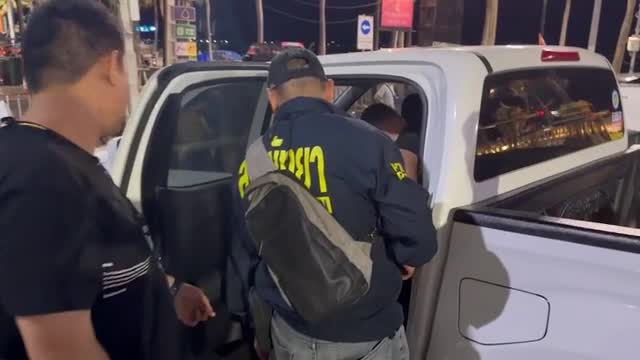
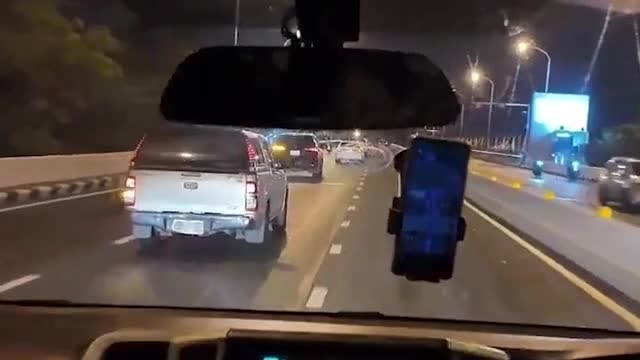
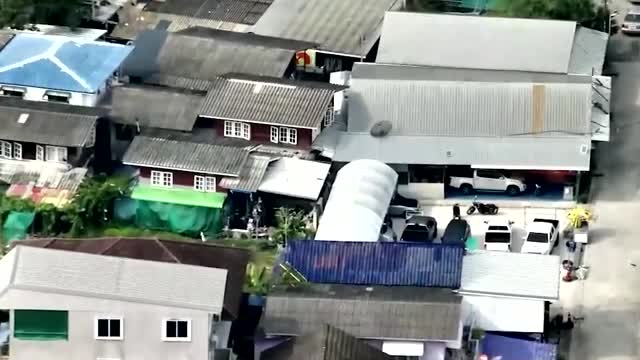
They verified the items were genuine ivory before launching raids on 11 locations in Samut Sakhon, Uthai Thani, Kamphaeng Phet, Chumphon, Songkhla, Chonburi, and Chanthaburi on May 7.
Authorities stormed into shops and homes where they arrested nine suspects during 'Operation Broken Ivory'.
They were named as Jinatana, 52, Panita, 42, Sudarat, 50, Wangsakda, 42, Niphat, 31, Taweesak, 41, Woraphong, 51, Amporn, 49, and Boonsong, 54.
The suspects were charged under the Wildlife Conservation and Protection Act for the unauthorised possession of protected wildlife carcasses, punishable by up to five years' imprisonment, a fine of up to 500,000 baht, or both.
They also face charges for the unauthorised trade of protected wildlife carcasses or products derived from protected animals, which carries a penalty of up to 10 years' imprisonment, a fine of up to one million baht, or both.
Police seized 308.6 lbs (140 kg) of ivory tusks, 88 lbs (40 kg) of sliced ivory, 15 lbs (7 kg) of ivory beads, 11 lbs (5 kg) of ivory Buddha necklaces, 4.4 lbs (2 kg) of prayer beads, 11 lbs (5 kg) of ivory powder, and 2.2 lbs (1 kg) of bracelets and belt buckles.
Officers also recovered 110 lbs (50 kg) of resin-filled ivory tusks, 160 knives made with ivory tusks and deer horns, 4.4 lbs (2 kg) of stingray tails, 20 cutting machines, five weighing scales, and the carcass of a Hawksbill sea turtle.
The illegal haul was estimated to be 10 million baht (310,000 USD).
Police said that the nine suspects admitted to the charges during their arrests and subsequent interrogation.
The Central Investigation Bureau said the illegal ivory is believed to have originated from Kenya, Tanzania, and Uganda.
A spokesman said: 'Due to poverty and lax laws, a large portion of the population in these countries engages in the illegal poaching of elephants for their ivory, which is then sold to other countries, particularly Asia.
'Thailand ranks second in the world for ivory smuggling, with China being the leading country. The ivory is used to make amulets, talismans, jewellery, and collectables.
'Information from the Secretary-General of the Convention on International Trade in Endangered Species of Wild Fauna and Flora (CITES) reveals that approximately 20,000 elephants are poached annually for their ivory. Currently, wild elephants are endangered; there are approximately 500,000 wild elephants remaining in Africa. Without preventative measures, this number is estimated to increase.'
The National Geographic Society reported that African wild elephants could disappear within 30 years if such poaching continues.
Thailand became the 80th member of the Convention on International Trade in Endangered Species of Wild Fauna and Flora in 1983 and has since committed to stricter measures against illegal ivory smuggling.
Authorities said laws have been amended to impose significantly harsher penalties on wildlife trafficking offences.
Thailand is a major transit hub for animal trafficking. With its porous borders with Myanmar and Cambodia, the country is a key route for smuggled wildlife across Southeast Asia.

Experienced news editor with a strong background in editorial planning, content review, headline writing, and fact-checking. Skilled in managing news coverage, ensuring accuracy, maintaining editorial standards, and delivering timely, engaging stories across digital platforms.
All Rights Reserved © 2026